Mapping Incentive Networks in Sequential Multi-Format Play
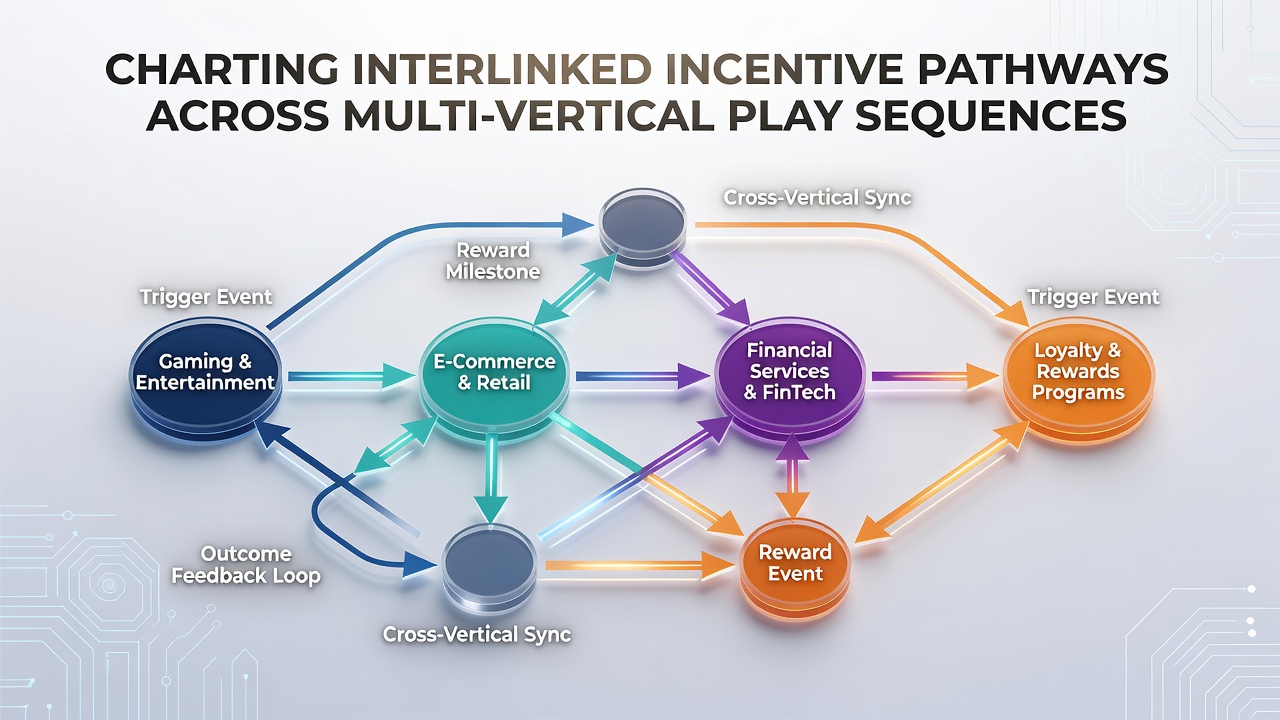
Operators track player movement through interconnected reward systems that span slots, sports betting lines, and poker tables, creating sequences where activity in one area unlocks benefits in another. These pathways rely on data integration that monitors unit play, deposit patterns, and session lengths across platforms.
Core Components of Linked Reward Structures
Points earned from slot spins often convert into credits usable on sports markets or tournament entries, while cashback from poker rakes feeds back into casino bankrolls. Research from the American Gaming Association indicates that 68 percent of multi-vertical operators now deploy unified loyalty ledgers that update in real time, allowing a single wager in one vertical to adjust eligibility thresholds in others. Data shows these linkages reduce player churn by aligning incentives so that progress toward tier status continues regardless of format switches.
Systems calculate pathways using algorithms that assign weighted values to different bet types, such as higher multipliers for live dealer sessions compared with automated table games. When players complete a sequence that includes both a sportsbook parlay and a subsequent slot bonus round, the combined activity triggers escalated rewards like free spins or enhanced odds on future bets.
Data Patterns Emerging in Mid-2026
Figures released in July 2026 by regulatory bodies in several jurisdictions revealed a 12 percent increase in cross-vertical sessions compared with the same period in 2025. Observers note that players who begin sequences on mobile sports apps frequently migrate to desktop casino interfaces within the same hour, drawn by targeted offers that activate only after specific play thresholds are met. Such movements demonstrate how operators design pathways to guide traffic while maintaining consistent reward accrual.
One study conducted by researchers at the University of Nevada examined 2.4 million player accounts and found that those who followed interlinked sequences averaged 23 percent longer engagement periods than single-vertical participants. The analysis highlighted that poker-to-sports transitions, in particular, produced the strongest retention effects because rake-based points carried over directly into betting credits.
Technical Implementation Across Platforms
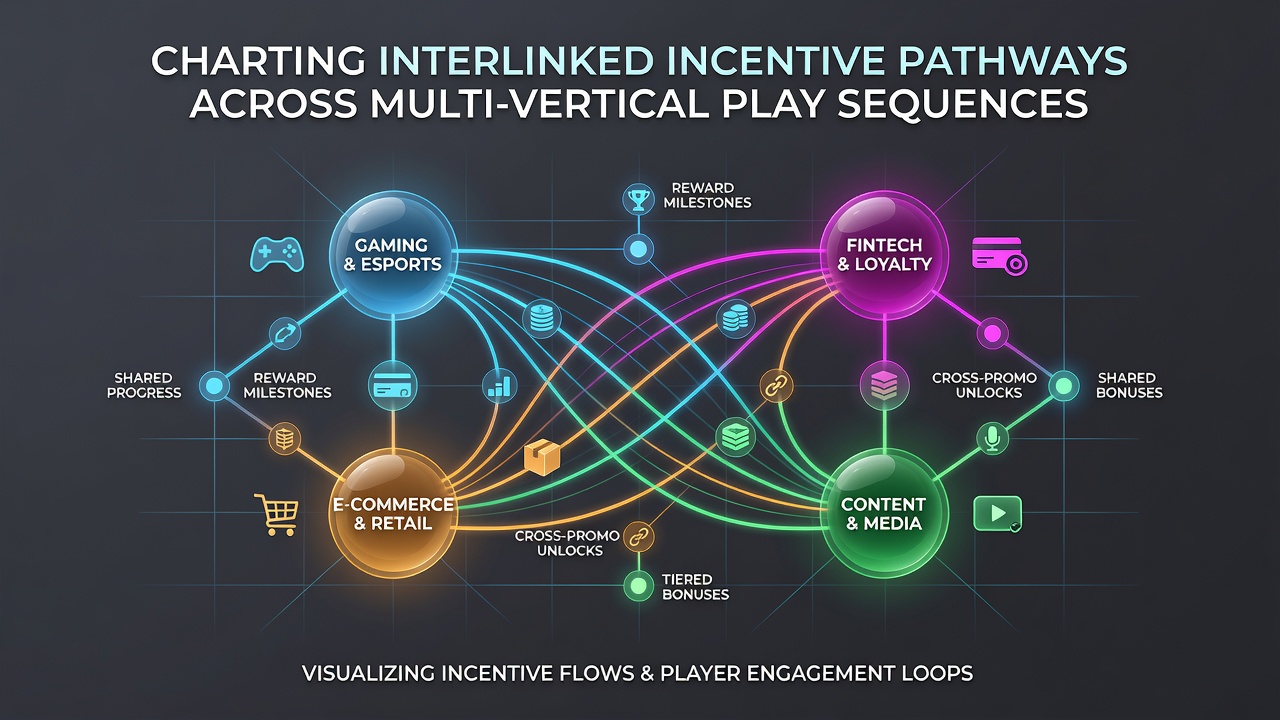
Backend integrations connect disparate game engines through application programming interfaces that share player identifiers and transaction histories. When a user deposits funds for sports betting, the system simultaneously updates casino loyalty meters and flags poker room promotions that align with the deposit amount. This synchronization ensures that incentive pathways remain active even when players switch devices or locations.
Operators in Australia and several Canadian provinces have adopted similar frameworks, according to reports from the Australasian Gaming Council. These implementations emphasize compliance with regional spending caps while still permitting seamless point transfers. The result is a network where a single deposit can initiate multiple reward streams that unfold over subsequent days or weeks.
Player Behavior and Sequence Mapping
Those who study these systems observe recurring patterns where initial slot play serves as an entry point, followed by sports wagers that unlock poker freerolls. Data indicates that sequences lasting three or more verticals generate the highest lifetime value because each transition compounds eligibility for higher-tier benefits. Tracking tools now map these journeys at the individual level, producing heat maps that reveal optimal incentive placement points.
External audits of such systems, including those referenced in papers from the International Centre for Gaming Regulation, confirm that transparent pathway documentation improves player trust and reduces disputes over unredeemed rewards. Clear communication of how points move between formats helps maintain engagement without introducing confusion about eligibility rules.
Conclusion
Interlinked incentive pathways continue to shape how players navigate multiple gaming formats, supported by integrated data systems and cross-vertical reward mechanics. Evidence from regulatory releases and academic analyses shows measurable impacts on session duration and format switching. As operators refine these networks, the focus remains on accurate tracking and compliant point transfers that function consistently across slots, sports, and poker environments.