 Operators in integrated gaming environments track how funds shift between slot machines, table games, and sports wagering accounts through unified player profiles. This process reveals patterns in deposit timing, withdrawal sequences, and cross-product transfers that single-activity monitoring often misses.
Defining Blended Casino and Betting Operations
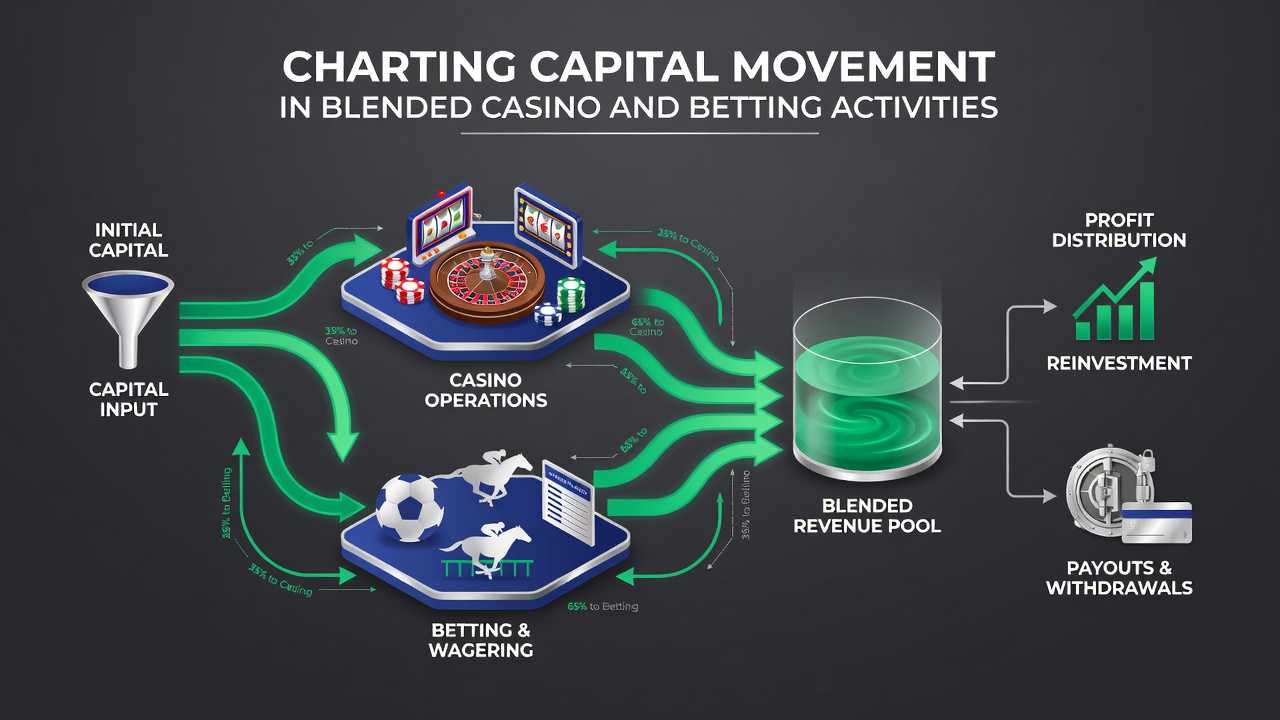
Blended activities occur when platforms allow seamless movement of balances across casino offerings and betting markets within one account structure. Players deposit once, then allocate portions to different verticals without separate logins or transfers. Data from such systems show that average session lengths increase when users switch between products mid-activity, as balances remain accessible rather than siloed.
Regulatory frameworks in multiple jurisdictions require operators to log these movements at the transaction level. Systems capture timestamps, product categories, stake amounts, and resulting balance changes to support compliance audits and responsible gambling tools. Observers note that accurate charting depends on consistent data fields across all game types, since mismatched categories distort flow analysis.
Techniques for Mapping Fund Flows
Analysts apply segmentation by player cohort, time interval, and product pair to identify dominant pathways. One common method groups accounts by total deposit size, then measures the percentage of funds directed first to casino games versus sports markets. Another approach tracks sequential bets, such as casino wins immediately followed by sports wagers, to quantify momentum effects.
Software platforms designed for gaming operators generate Sankey diagrams and heat maps that visualize these routes in real time. These tools aggregate millions of micro-transactions into higher-level categories like "casino-to-sports" or "sports-to-withdrawal." Researchers at institutions studying gambling economics emphasize the value of including external factors, such as major sporting events, when interpreting spikes in certain flow directions.
Observations from Mid-2026 Reporting Periods
Reports released in June 2026 highlighted increased cross-vertical activity during the lead-up to several international tournaments. Aggregated figures revealed that accounts engaging with both casino and sports products showed higher average balances maintained over multiple days compared with single-product users. This pattern appeared across operators in North America and Australia, where integrated platforms hold significant market share.
According to the American Gaming Association, blended account usage correlated with steadier revenue streams because funds recirculated internally rather than exiting after one vertical cooled. Separate datasets from Australian state regulators indicated similar recirculation rates, particularly among users who set deposit limits spanning all products rather than per vertical.
Regional Variations in Tracking Practices
North American operators often integrate player loyalty systems directly with flow-tracking modules, allowing real-time adjustments to bonus eligibility based on movement patterns. European platforms, operating under different licensing regimes, focus more on withdrawal velocity after cross-product sessions to meet anti-money laundering thresholds. Canadian provincial bodies have begun requiring standardized export formats for transaction logs, which simplifies comparisons across provinces.
Academic analyses from the University of Nevada, Las Vegas gaming research center have examined how promotional credits influence flow direction. Studies found that free spins tied to sports deposits tended to keep funds within the casino side longer, while sports-specific bonuses accelerated movement toward betting markets. These findings rely on anonymized datasets supplied by operators under strict data-sharing agreements.
Challenges in Accurate Measurement
Multi-currency accounts and cryptocurrency deposits introduce complexity because exchange rate fluctuations can alter apparent flow volumes between the moment of deposit and later allocation. Systems must timestamp both the original deposit and each subsequent conversion to maintain consistency. Incomplete logging of bonus wagering requirements also skews results, as restricted funds sometimes appear as separate balance pools rather than part of overall capital movement.
Operators address these issues through periodic reconciliation processes that compare internal ledgers against payment processor records. Third-party auditors review sample periods to verify that reported flows align with raw transaction files. Those who maintain rigorous standards report fewer discrepancies during regulatory examinations.
Conclusion
Charting capital movement in blended environments provides operators and regulators with clearer pictures of player behavior across product lines. Consistent data capture, combined with visualization techniques and cross-regional comparisons, supports more precise oversight. As integrated platforms expand, standardized reporting practices continue to evolve to accommodate new transaction types and player preferences.