Bradford's 'If I Only Knew' Campaign Sounds Alarm on Gambling Risks for Young Adults
Bradford's 'If I Only Knew' Campaign Sounds Alarm on Gambling Risks for Young Adults

A New Front in the Fight Against Problem Gambling
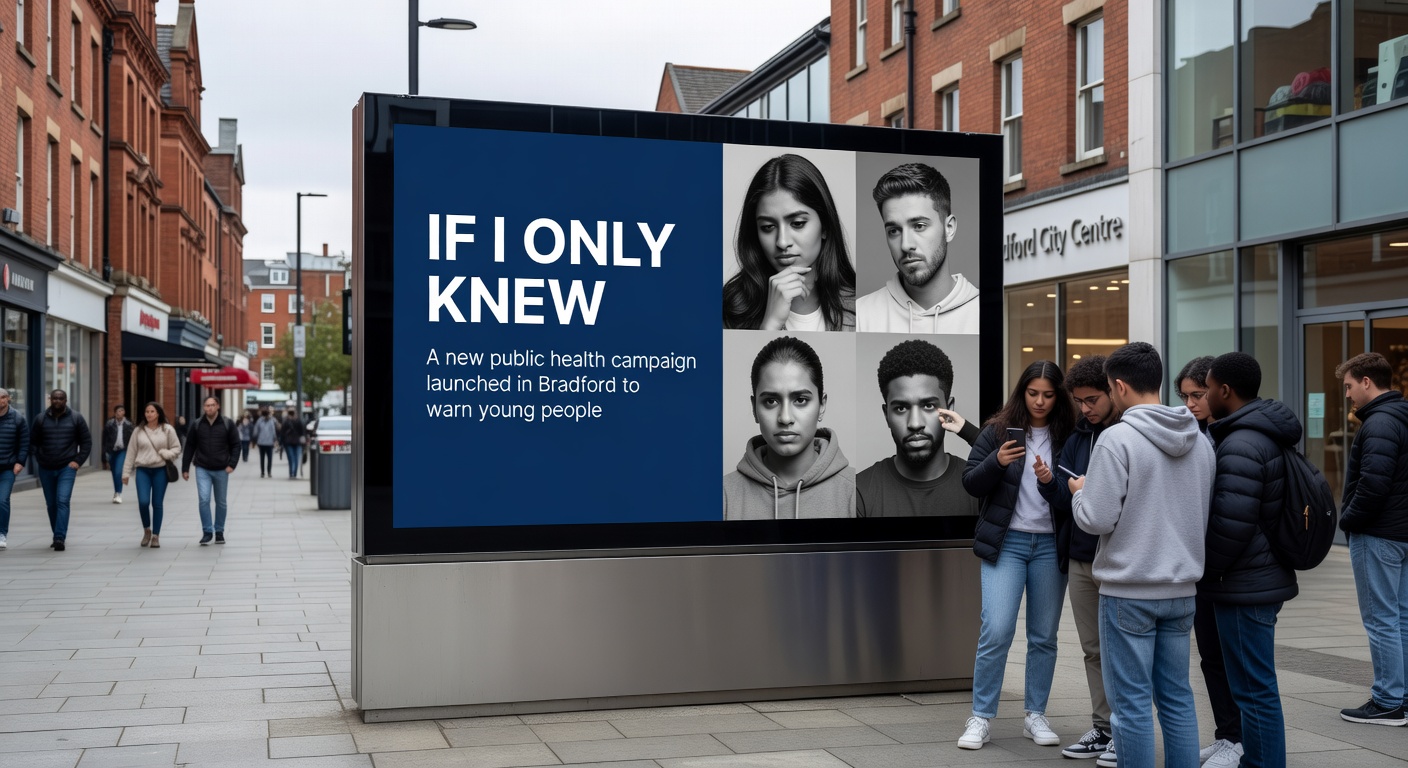
Local authorities in Bradford, UK, have rolled out a targeted public health campaign named If I Only Knew, designed specifically to alert young people aged 18 to 34 about the hidden dangers of gambling; this initiative draws on raw, personal stories from recovering addicts and their affected families, highlighting how accessible online betting platforms and round-the-clock slot arcades can spiral into life-altering crises. Developed by Chapter One—a program under the Gambling with Lives charity—in close partnership with Bradford City Council and with backing from the NHS Northern Gambling Service, the campaign underscores a community-driven response to escalating concerns over youth vulnerability in an era of seamless digital wagering.
What's interesting here is the timing and scope; launched amid rising local data that pegs problem gambling's annual toll on Bradford at a staggering £13.7 million—costs encompassing healthcare burdens, lost productivity, and social services strain—the effort zeroes in on protecting 16,283 adults at risk alongside 10,302 children living in households touched by addiction. Observers note how these figures, pulled from recent local assessments, paint a stark picture of widespread impact, where one person's habit ripples out to ensnare family finances, mental health, and future opportunities for the young.
Real Stories at the Heart of the Message
Campaign materials feature unfiltered testimonials from those who've walked the path of recovery, such as recovering addicts recounting moments of financial ruin tied to late-night app bets or endless arcade sessions; families chime in too, sharing the emotional wreckage, from broken trust to mounting debts that force tough choices like skipping meals or selling belongings. One such narrative, as showcased in promotional videos, involves a young professional who lost his job and relationships after chasing losses on football matches via mobile apps, a tale that resonates because it mirrors patterns experts have tracked in similar demographics.
And it's not just talk; the campaign deploys these stories across billboards, social media blasts, bus ads, and pop-up events throughout Bradford, ensuring the 18-34 crowd—prime targets for flashy online promotions—can't scroll or walk by without confronting the reality. Turns out, this multimedia approach stems from research indicating that peer-like narratives cut through denial better than dry stats alone, prompting viewers to pause and reflect before placing that next wager.
Partnerships Powering Prevention
Chapter One leads the charge, leveraging its expertise in youth-focused gambling education, while Bradford City Council provides the logistical muscle and community reach; the NHS Northern Gambling Service adds clinical weight, offering on-the-ground support like counseling referrals embedded right into campaign touchpoints. This trio's collaboration proves effective because it bridges awareness with action—counselors stand ready at events, helplines glow on every poster, and QR codes link straight to free assessment tools.
Local data underscores the urgency; figures reveal that problem gambling affects thousands in Bradford, with children in impacted homes facing heightened risks of anxiety, poor academic performance, and even intergenerational cycles of dependency. That's where the rubber meets the road: by running through the end of April 2026, the initiative commits to sustained exposure, tracking progress via follow-up surveys and help-seeking metrics to refine tactics along the way.
Tackling Stigma and Opening Doors to Help
Reducing stigma ranks high among the goals, as studies show many young gamblers suffer in silence due to shame, delaying recovery until debts snowball or mental health crumbles; If I Only Knew flips this script by normalizing conversations, with taglines like "It's not weakness, it's a trap anyone can fall into" plastered across digital channels popular with the 18-34 set. People who've engaged early report quicker access to services, and the campaign's helpline has already logged spikes in calls since rollout.
But here's the thing with online betting: apps deliver instant thrills 24/7, algorithms nudge users toward riskier plays, and deposit limits often feel like mere suggestions; slot arcades compound this by staying open non-stop, luring night owls with bright lights and no-clock vibes. Experts who've analyzed these venues point to Bradford's cluster of such spots as hotspots fueling the stats—that £13.7 million hit detailed in local council reports from February, which break down everything from NHS treatment costs to policing gambling-related crimes.
Youth Focus Amid Broader Trends
Young adults aged 18-34 draw special attention because data indicates they're twice as likely to develop issues compared to older groups, thanks to digital natives' comfort with apps and social sports betting; one case highlighted involves university students pooling bets on matches, only to watch group chats turn into debt collection nightmares. Campaign creators tapped into this by enlisting influencers and local sports figures who've shared their close calls, making the warnings feel relatable rather than preachy.
Now, as the initiative stretches to April 2026, organizers plan quarterly evaluations, adjusting based on engagement rates and service uptake; early signs show promise, with social media shares climbing and event attendance exceeding projections. Those studying public health interventions note how embedding family perspectives amplifies reach, since siblings and parents often spot signs first but hesitate without destigmatized resources.
Measuring Impact and Long-Term Reach
Success metrics include reduced self-reported risky behaviors among the target age group, tracked through anonymous online polls, alongside upticks in treatment program enrollments via the NHS service; local figures already flag 16,283 at-risk adults, but the hope lies in nipping potential cases before they join that tally. And for the 10,302 kids in those homes, ripple effects mean safer environments, fewer disruptions, and modeled healthy choices around money and risk.
Take one observer who's followed Bradford's efforts: they point out how past anti-smoking or alcohol campaigns succeeded through similar story-driven persistence, suggesting If I Only Knew follows proven blueprints while tailoring to gambling's sneaky digital face. Events like street theater reenactments of "what if" scenarios draw crowds, blending education with entertainment to stick in young minds long after the lights dim.
Conclusion
Bradford's If I Only Knew stands as a proactive strike against gambling's youth toll, weaving personal testimonies with hard data to foster awareness and action through April 2026; partnerships among Chapter One, the city council, and NHS services ensure resources match the message, confronting online and arcade temptations head-on while chipping away at stigma. Local stats—£13.7 million yearly costs, thousands directly impacted—drive the momentum, and as stories spread, the campaign charts a course toward fewer regrets and stronger community safeguards. Ongoing monitoring will reveal its full footprint, but the foundation rests on real voices urging the young to know better before it's too late.