Algorithmic Alliances: Exploring Synergies Between Promotional Mechanics and Player Protection Protocols in Internet-Based Gaming Environments
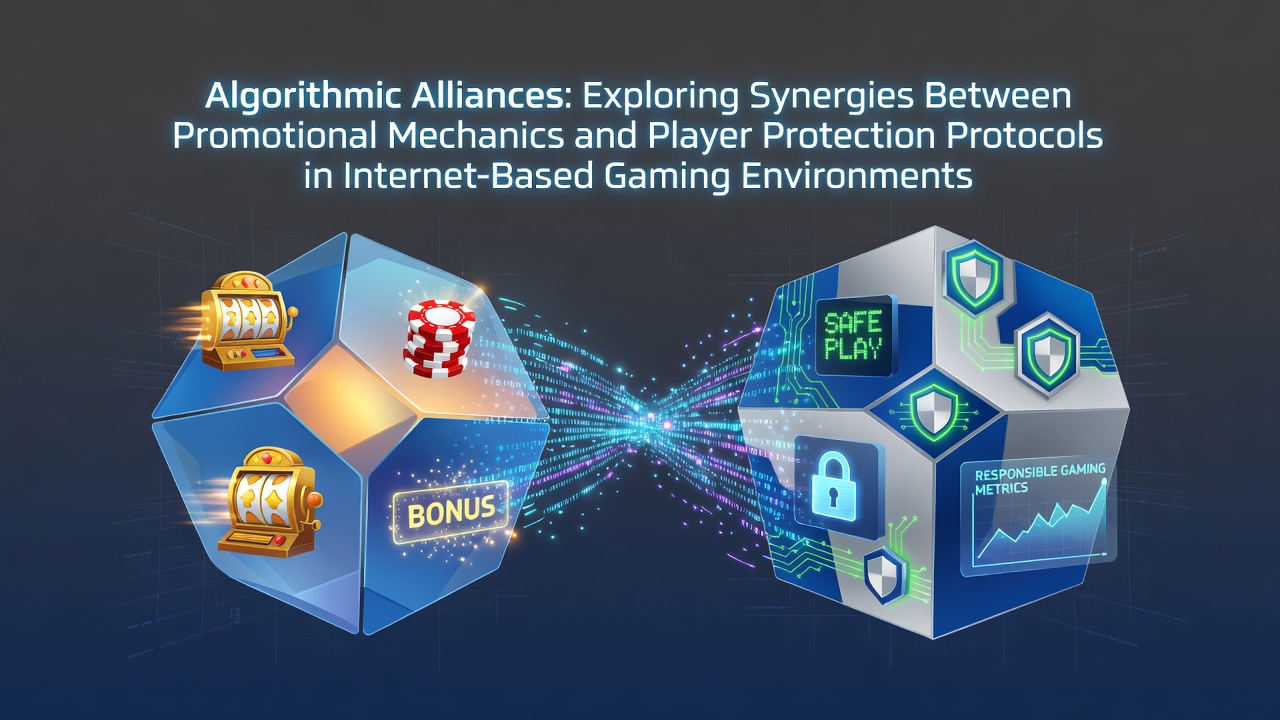
Internet-based gaming platforms rely on sophisticated algorithms that connect promotional tools such as bonus structures and loyalty rewards with player protection features including deposit limits and session monitoring, and these systems operate across multiple jurisdictions where data from regulatory bodies like the Australian Gambling Research Centre and the Nevada Gaming Control Board guides implementation.
Core Components of Promotional Mechanics
Promotional mechanics in online gaming environments typically involve dynamic bonus allocation, cashback tiers, and personalized reward systems that adjust based on player activity patterns, while algorithms process real-time inputs to determine eligibility and value without manual intervention from operators. Data from industry reports issued by the European Gaming and Betting Association indicates that these systems process millions of transactions daily, using machine learning models to predict engagement levels and tailor offers accordingly.
Operators deploy these mechanics to maintain user retention, yet the underlying code also flags deviations from established behavioral baselines that might signal emerging risk factors, and this dual function creates the foundation for algorithmic alliances between marketing and safety protocols.
Player Protection Protocols in Digital Spaces
Player protection protocols encompass mandatory tools such as reality checks, self-exclusion lists, and spending caps that platforms must integrate under various licensing requirements, and academic studies from institutions like the University of Sydney's Gambling Treatment and Research Clinic have documented how these features reduce excessive play durations when triggered automatically. Algorithms monitor variables including login frequency, bet sizing trends, and time spent in sessions, then compare outputs against thresholds established by regional authorities in places like Ontario's Alcohol and Gaming Commission or Singapore's National Council on Problem Gambling.
Integration occurs through shared data pipelines where promotional triggers and protection alerts draw from the same datasets, allowing a single model to pause bonus offers when protection thresholds approach activation points.

How Algorithms Create Functional Overlaps
Algorithmic overlaps emerge when recommendation engines that normally suggest deposit bonuses also incorporate risk scoring modules that recommend cooling-off periods instead, and researchers at the University of Nevada's International Gaming Institute have analyzed code structures showing these decision trees share up to 70 percent of their feature sets in tested platforms. The process begins with data ingestion from player accounts, proceeds through feature extraction for both promotional value and harm indicators, then branches into action outputs that either deliver incentives or enforce safeguards based on weighted priorities.
What's interesting here is the way models trained on historical datasets from 2025 and early 2026 refine their predictions monthly, incorporating new variables such as device usage shifts and payment method changes that correlate with both increased play and potential distress signals. July 2026 updates from several North American operators demonstrated refined weighting that reduced promotional pushes to accounts already flagged in protection queues by 22 percent compared with prior quarters.
Implementation Patterns Across Regions
Regional variations appear in how these alliances manifest, with Australian platforms often emphasizing algorithmic linkage between loyalty points and mandatory break reminders under state guidelines, whereas Canadian operators integrate similar logic within frameworks set by the Alcohol and Gaming Commission of Ontario to handle cross-border player data. European systems, guided by directives from bodies like the Malta Gaming Authority, frequently test hybrid models where promotional algorithms pause entirely during self-exclusion windows, and case analyses from academic papers published in 2025 confirm measurable drops in repeat high-risk sessions following such pauses.
Operators in these markets report that unified algorithmic frameworks reduce redundant processing overhead while maintaining compliance logs that satisfy multiple regulatory audits simultaneously.
Technical Mechanisms Driving the Synergies
Technical mechanisms include reinforcement learning loops that optimize both revenue-related outcomes and harm reduction metrics within the same training cycles, and industry organizations such as the International Association of Gaming Regulators have noted in conference proceedings that shared model architectures allow for simultaneous A/B testing of promotional variants against protection interventions. Real-time APIs connect front-end interfaces with backend risk engines, ensuring that when a player receives a targeted free spin offer the system simultaneously checks against velocity limits set in the protection layer.
Edge cases arise during high-volume periods around major sporting events in 2026, where algorithms must scale decisions across larger datasets without introducing latency that could bypass safety checks, yet documented implementations show successful handling through distributed computing clusters.
Conclusion
Algorithmic alliances between promotional mechanics and player protection protocols continue to evolve through shared data models and integrated decision frameworks that span multiple global markets. Observers tracking developments through mid-2026 note steady refinements in model accuracy as operators align systems with emerging standards from diverse regulatory and academic sources. These technical connections support operational efficiency while addressing both engagement and safety objectives within internet-based gaming environments.